


Diabetic foot wounds require immediate medical attention to prevent infection and amputation. Learn about debridement, off-loading, advanced wound dressings, blood sugar management, and modern treatments that improve healing.
People living with diabetes are advised never to ignore cuts, blisters, or ulcers on their feet, as even small wounds can quickly develop into serious medical conditions. Without timely treatment, diabetic foot wounds can lead to severe infections, tissue damage, and, in advanced cases, amputation. Health experts emphasize that early diagnosis and proper wound management are essential to improve healing and reduce complications.
The first step in treating a diabetic foot wound is a thorough medical evaluation. Doctors often perform debridement, a procedure that removes dead or infected tissue from the wound, allowing healthy tissue to grow and reducing the risk of infection. This process also helps improve the effectiveness of other treatments and supports faster healing.
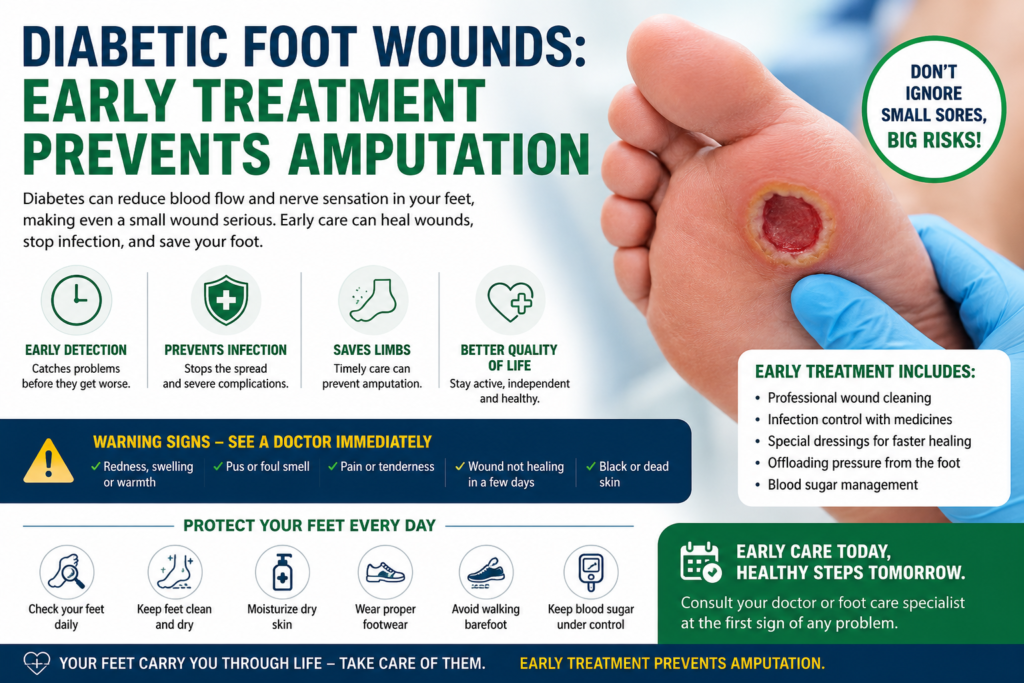
Reducing pressure on the affected foot is another crucial part of recovery. Medical professionals may recommend specialized diabetic footwear, custom orthotic devices, braces, casts, crutches, or even a wheelchair to prevent further stress on the wound. This practice, known as off-loading, significantly improves the chances of successful healing.
Modern wound care also includes the use of advanced dressings that maintain a moist environment, which is known to accelerate tissue repair. Depending on the condition of the wound, healthcare providers may use hydrogel, foam, or antimicrobial dressings to protect the area while reducing the risk of bacterial infection.
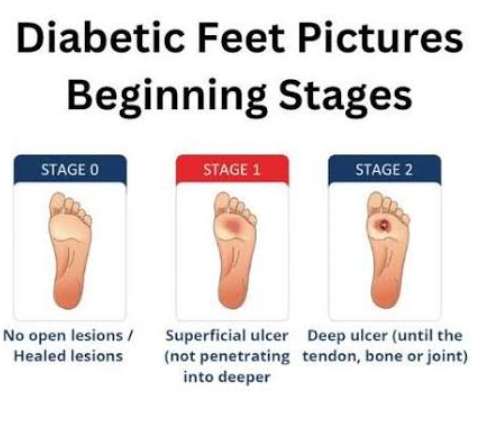
Since diabetic foot ulcers are particularly vulnerable to infection, doctors may prescribe oral or intravenous antibiotics when signs of infection are present. In some cases, laboratory tests are conducted to identify the specific bacteria responsible, allowing physicians to choose the most effective medication.
Maintaining stable blood glucose levels plays a vital role in wound recovery. Elevated blood sugar can slow the body’s natural healing process and increase the likelihood of complications. For patients with poor circulation, vascular procedures such as angioplasty may be recommended to improve blood flow and ensure that oxygen and nutrients reach the affected tissues.
In cases where wounds fail to heal with conventional treatment, specialists may recommend advanced therapies such as Hyperbaric Oxygen Therapy (HBOT) or bioengineered skin substitutes. These innovative treatments are designed to stimulate tissue regeneration and improve healing outcomes for chronic diabetic wounds.
Medical experts stress that anyone with diabetes who notices a foot ulcer, persistent wound, redness, swelling, or signs of infection should seek immediate medical attention. Early intervention by a podiatrist, endocrinologist, or wound care specialist can significantly reduce the risk of serious complications and help preserve long-term foot health