

Anthropic has temporarily halted access to some of its most advanced AI models after a U.S. government order tightened rules on foreign access to cutting-edge artificial intelligence technologies.
Anthropic Halts Top AI Models After U.S. Order Restricts Foreign Access
U.S. Regulations Reshape the AI Landscape : Artificial intelligence company Anthropic has reportedly suspended access to several of its most advanced AI models in response to a new U.S. government directive aimed at tightening controls over foreign access to cutting-edge technologies. The move highlights the growing intersection between national security concerns and the rapidly evolving AI industry.
The restrictions are part of broader efforts by U.S. authorities to ensure that highly capable artificial intelligence systems do not fall into the hands of entities or individuals deemed to pose potential security risks. As AI technologies become increasingly powerful, policymakers have intensified discussions around safeguarding their use while maintaining America’s leadership in the sector.
Anthropic Responds to Government Directives: Anthropic, one of the leading AI startups competing with major players in the industry, has acted swiftly to comply with the latest regulations. According to reports, access to certain top-tier AI models has been paused for users in regions affected by the new restrictions.
The company stated that it remains committed to following applicable laws and regulatory requirements while continuing to provide safe and responsible AI services. Anthropic emphasized that these changes are intended to align with government mandates rather than reflect a shift in its long-term strategy.
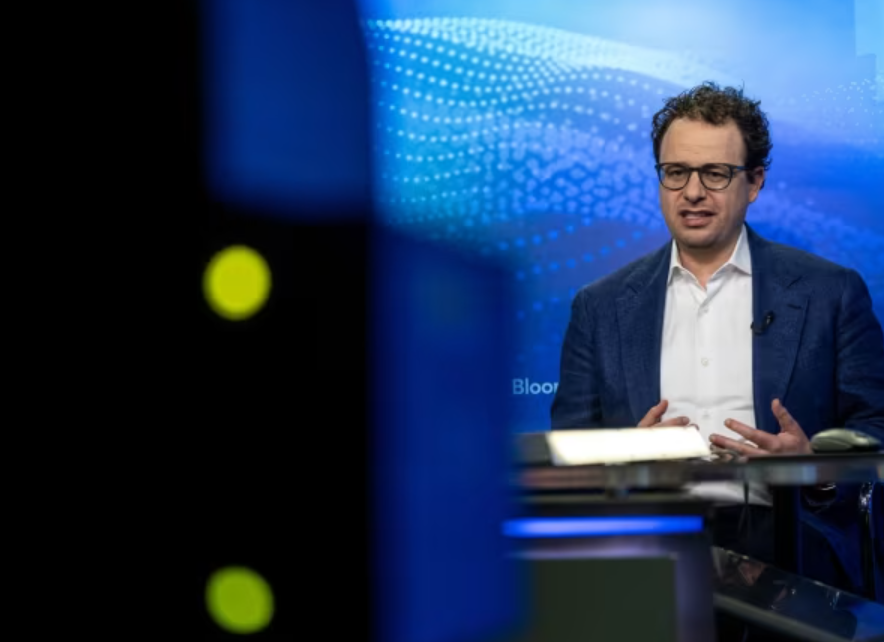
Industry observers note that compliance with national security directives has become an increasingly important consideration for AI developers. Companies working on advanced language models must now navigate a complex landscape of international regulations, export controls, and ethical concerns.
Growing National Security Concerns : Governments around the world have raised alarms about the potential misuse of advanced AI systems. Powerful models can be utilized for a wide range of applications, including scientific research, software development, and data analysis. However, experts also warn that such technologies could be exploited for cyberattacks, disinformation campaigns, or the development of sophisticated weapons systems.
The U.S. administration has steadily expanded oversight mechanisms aimed at monitoring access to high-performance computing resources and advanced AI capabilities. Officials argue that preventing strategic rivals from gaining unrestricted access to these tools is essential for maintaining technological and national security advantages.
Impact on Global AI Users: Anthropic’s decision may affect researchers, developers, and businesses that rely on its most capable AI systems for innovation and productivity. Some international users could face delays or temporary disruptions while eligibility requirements are reviewed and updated.
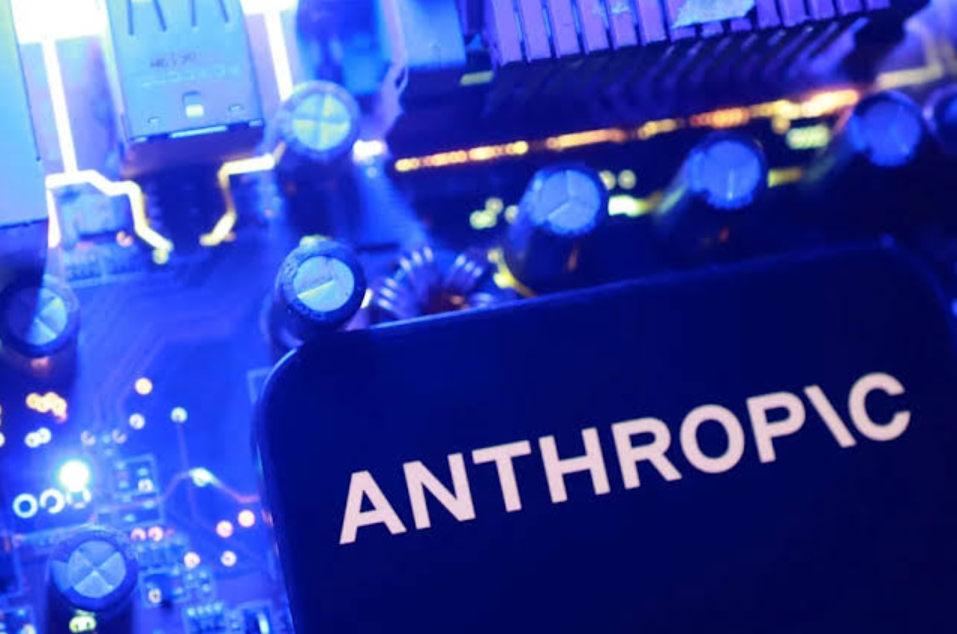
The move may also encourage other AI companies to reassess their own access policies. Industry analysts believe that stricter regulations could become more common as governments seek to establish clear frameworks governing the development and distribution of advanced artificial intelligence technologies.
The Future of AI Regulation : Anthropic’s response underscores the growing reality that artificial intelligence is no longer solely a commercial or research-driven field. It has become a strategic asset with significant geopolitical implications.
As policymakers continue to debate how best to regulate powerful AI systems, companies operating at the forefront of innovation will likely face increasing pressure to balance openness, global collaboration, and national security requirements. The coming years may determine how the world shares and governs one of the most transformative technologies of the modern era.
All images belong to their respective owners and are used solely for reference and informational purposes.