


Discover the four everyday habits oncologists recommend avoiding to reduce cancer risk, including processed foods, inactivity, and poor lifestyle choices. Learn practical cancer prevention tips.
4 Habits Oncologists Wish You’d Stop to Reduce Cancer Risk
Why Lifestyle Choices Matter in Cancer Prevention: Cancer prevention is not always about dramatic life changes. Medical experts increasingly emphasize that everyday lifestyle habits can significantly influence long-term health outcomes. Research suggests that many cancer cases may be linked to preventable risk factors such as smoking, unhealthy diet patterns, physical inactivity, excess body weight, and alcohol consumption.Healthcare professionals believe that small, consistent improvements in nutrition, movement, and overall wellness can contribute meaningfully to lowering cancer risk.
1. Eating Too Much Processed Meat: Processed meats such as bacon, sausages, hot dogs, ham, and packaged lunch meats have been repeatedly associated with increased cancer risk, particularly colorectal cancer.These foods often contain preservatives including nitrates and nitrites, compounds that may contribute to harmful cellular changes over time. Additionally, processed meat products are frequently part of highly processed dietary patterns that can contribute to unhealthy weight gain.Experts encourage focusing on whole foods, lean proteins, vegetables, fruits, legumes, and minimally processed meals to support long-term health.

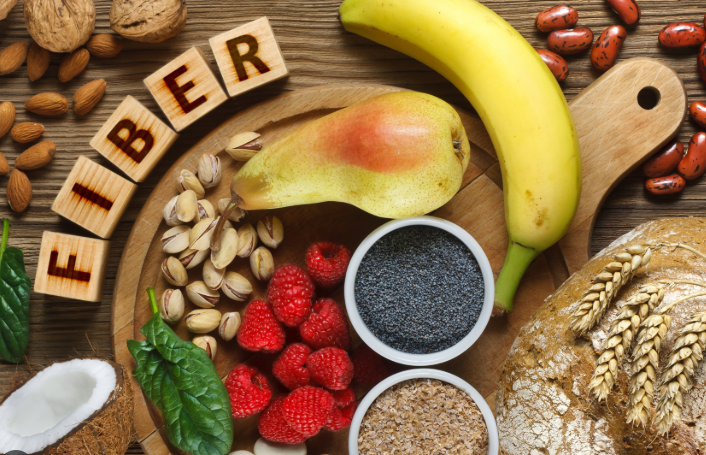
2. Not Getting Enough Fiber: Fiber plays a critical role in digestive health and may help reduce cancer risk. Yet many people consume far less fiber than recommended.
Fiber-rich foods include:
- Beans and lentils
- Fruits and vegetables
- Whole grains
- Nuts and seeds
- Plant-based foods
Gut bacteria rely on dietary fiber to produce beneficial compounds that help maintain digestive health and reduce inflammation. Low-fiber diets have been linked with increased risks related to digestive system health and overall wellness.Building meals around fiber-rich foods can support both digestive balance and broader health goals.
3. Sitting Too Much During the Day: Regular physical activity supports overall health and has been associated with lower risk for several chronic diseases, including certain cancers.Health specialists now emphasize that reducing sedentary behavior matters alongside scheduled exercise. Spending extended hours sitting without movement may negatively affect long-term health.
Simple ways to increase movement include:
- Walking during breaks
- Taking stairs when possible
- Stretching regularly
- Standing periodically while working
- Building daily movement into routines
Many experts recommend aiming for consistent daily activity levels to improve overall health outcomes.
4. Ignoring Social Connection: Strong social relationships influence more than emotional well-being. Social connection can encourage healthier behaviors, improve mood, and reduce isolation.Experts note that loneliness may indirectly affect physical health by contributing to poor eating habits, lower physical activity, fatigue, and reduced motivation for healthy routines.Simple actions like spending time with friends, engaging in community activities, or maintaining regular social interaction can positively influence overall wellness.
Additional Ways to Help Lower Cancer Risk: Healthcare organizations often recommend broader lifestyle practices that support long-term health:
Maintain a Healthy Weight
Excess body weight has been linked to multiple health concerns, including increased cancer risk.
Limit Sugar-Sweetened Beverages
Reducing added sugars may support healthy weight management.
Limit Alcohol Consumption
Alcohol intake has been associated with increased risk for several types of cancer.
Avoid Smoking and Tobacco
Tobacco remains one of the leading preventable causes of cancer worldwide.
Focus on Nutrition First
Rather than relying heavily on supplements, prioritize balanced nutrition through whole foods whenever possible.
Small Changes Can Make a Big Difference
Cancer prevention does not require perfection or extreme lifestyle changes overnight. Consistent improvements in nutrition, movement, social well-being, and healthy habits can contribute positively over time.
It is also important to recognize that some cancer risk factors, including age and genetics, cannot be controlled. However, building healthier daily habits remains one of the most practical ways individuals can support long-term health.