


For many pet owners, occasional scratching or head shaking seems normal. But when these behaviors become frequent, persistent, or paired with other symptoms, they may signal something deeper know how Food Allergies Affect pets .
Take Cookie, a lively chocolate Labrador retriever who loved agility training. What began as mild head shaking and digestive changes soon escalated into repeated ear infections and constant discomfort. Like many pet parents, her owner initially assumed it was routine—until veterinary visits became frequent and frustrating.
What he eventually discovered is something many pet owners overlook: food allergies could be the hidden cause behind their pet’s suffering.
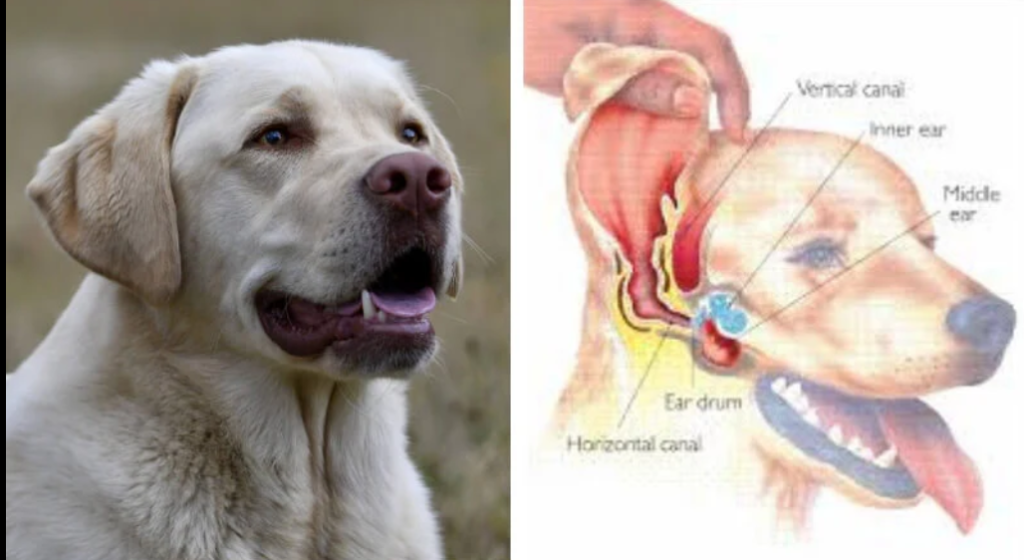
Understanding Food Allergies in Pets
Food allergies occur when a pet’s immune system reacts negatively to certain proteins in their diet. Unlike food intolerances, these allergies trigger immune responses that can affect the skin, ears, and digestive system.
Common Allergen Sources:
- Beef
- Dairy
- Wheat
- Egg
- Chicken
These everyday ingredients, often found in standard pet foods, can silently trigger long-term issues.
Signs You Shouldn’t Ignore
Food allergies can be tricky because their symptoms often resemble other conditions. According to veterinary experts like Dr. Brittany Lancellotti, recognizing patterns is key.
Common Symptoms:
- Persistent itching or scratching
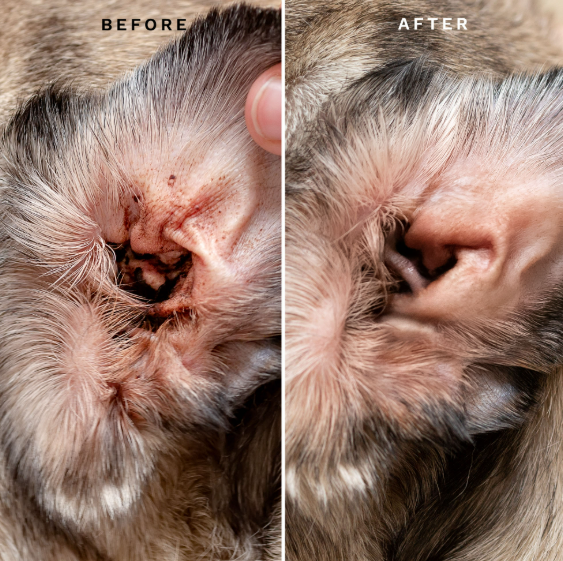
- Frequent ear infections
- Head shaking
- Red or inflamed skin
- Digestive issues (loose stool, increased frequency)
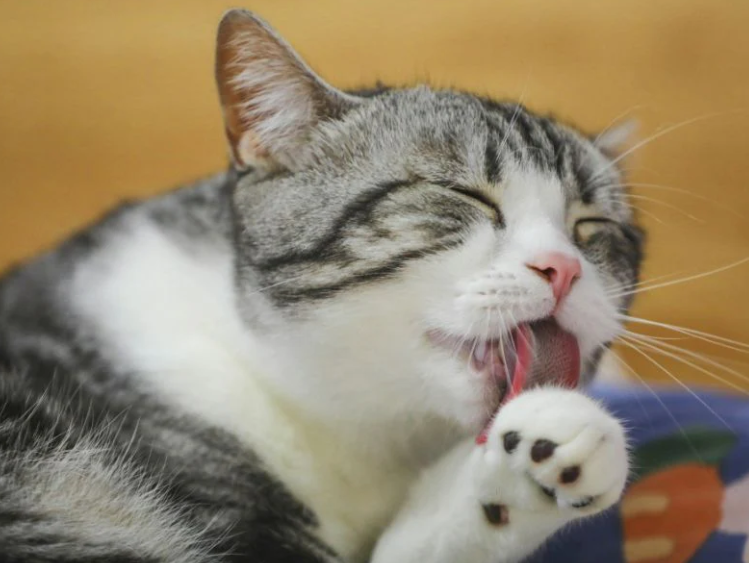
- Paw licking or chewing
How Common Are Pet Skin Issues?
Skin conditions are more widespread than most owners realize:
- Over 410,000+ cases reported in 2023
- Representing 20% of dog health claims
- Food allergies account for:
- 1–2% of general vet visits
- Up to 18–29% in allergic (itchy) dogs
👉 This means many cases go undiagnosed or misdiagnosed.
Why Food Allergies Are Often Missed
Food allergies don’t always appear suddenly. They can develop gradually over time, even with foods your pet has eaten for years.
Reasons they’re overlooked:
- Symptoms mimic environmental allergies
- Assumed to be breed-related issues
- Temporary treatments mask underlying cause
- Lack of awareness about nutrition’s role
The Role of Nutrition in Healing
One of the most effective ways to manage food allergies is through precise nutrition.
✅ Solutions Include:
- Elimination diets (to identify triggers)
- Hypoallergenic or limited-ingredient diets
- Veterinary-guided nutrition plans
For Cookie, consulting a veterinary dermatologist and adjusting her diet made a significant difference—reducing infections and improving her overall quality of life.
When to See a Vet
If your pet shows ongoing symptoms, don’t ignore them.
Consult a veterinarian if:
- Itching lasts more than a few weeks
- Ear infections keep returning
- Digestive issues persist
- Treatments provide only temporary relief
Early diagnosis can prevent long-term discomfort and complications.Not all itching is harmless. While occasional scratching is normal, persistent symptoms could be your pet’s way of signaling a deeper issue. Food allergies, though often overlooked, can significantly impact a pet’s health and happiness. By recognizing the signs early and exploring proper nutrition, pet owners can help their furry companions live more comfortable, active lives—just like Cookie deserves.
Image Credit: All images belong to their respective owners and are used solely for reference and informational purposes.