


The World Health Organization has declared the Ebola outbreak in the Democratic Republic of Congo and Uganda a global health emergency after rising deaths and suspected infections linked to the rare Bundibugyo strain.
The World Health Organization has officially declared the ongoing Ebola outbreak in the Democratic Republic of the Congo and neighboring Uganda a “Public Health Emergency of International Concern” (PHEIC), raising global alarm over the rapid spread of the deadly virus. The declaration came after health authorities reported more than 300 suspected cases and nearly 90 deaths linked to the outbreak caused by the rare Bundibugyo strain of Ebola.
Rare Bundibugyo Strain Raises Serious Concern
Unlike previous Ebola outbreaks caused by the Zaire strain, the current outbreak involves the much rarer Bundibugyo virus. Health experts say this strain is particularly concerning because there are currently no approved vaccines or targeted treatments available for it. The lack of medical countermeasures has complicated response efforts and increased fears of wider international spread.
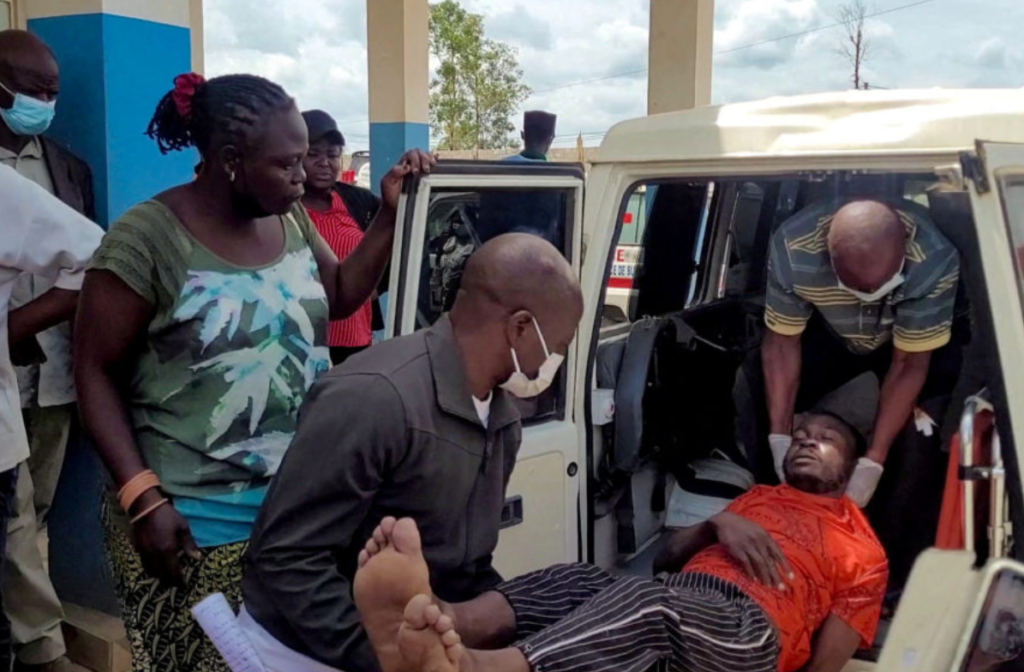
The outbreak is primarily concentrated in Ituri Province in eastern DR Congo, particularly in the health zones of Bunia, Rwampara, and Mongbwalu. Officials have also confirmed cases in Uganda, including in the capital city Kampala, signaling cross-border transmission.
WHO Issues Global Emergency Declaration
WHO Director-General Tedros Adhanom Ghebreyesus announced the emergency classification after an emergency committee meeting determined that the outbreak met the criteria for an international public health emergency. The designation is intended to accelerate global funding, coordination, medical support, and international surveillance efforts.
According to WHO data released on May 17, at least eight laboratory-confirmed cases, 246 suspected infections, and approximately 80 suspected deaths have already been reported. Officials warn that the actual number of infections may be significantly higher due to underreporting and limited healthcare access in conflict-affected regions.
Spread to Major Cities Intensifies Fears
Health authorities are especially concerned after a confirmed Ebola case was detected in Kinshasa, a city located nearly 1,000 kilometers away from the outbreak’s epicenter. Cases have also been linked to Goma, a densely populated commercial hub near international borders. Experts say urban transmission could significantly increase the risk of wider regional spread.
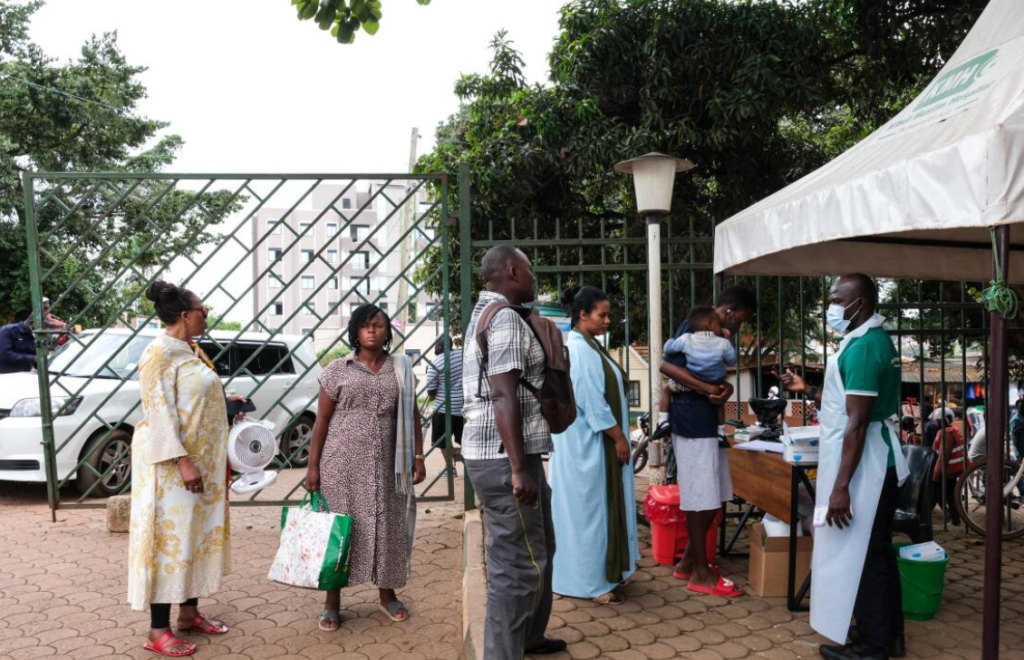
Uganda has meanwhile confirmed imported cases connected to the outbreak, prompting increased border screenings and emergency health measures across East Africa. Neighboring countries including South Sudan, Rwanda, and Kenya are reportedly intensifying surveillance systems to prevent further spread.
Why Ebola Remains So Dangerous
Ebola is a severe and often fatal viral disease transmitted through direct contact with infected bodily fluids, contaminated surfaces, or infected animals. Symptoms include fever, vomiting, diarrhea, internal bleeding, and severe weakness. Fatality rates for some Ebola strains can exceed 50 percent if outbreaks are not quickly contained.
The Bundibugyo strain has only been identified during a handful of outbreaks since it was first discovered in Uganda in 2007. Scientists say limited research and lack of commercial vaccine development have left global health systems less prepared compared to outbreaks involving the Zaire strain.
International Response Efforts Underway
WHO officials say emergency medical supplies and specialized response teams are already being deployed to affected areas. International organizations and humanitarian agencies are working alongside Congolese and Ugandan health authorities to strengthen laboratory testing, contact tracing, isolation centers, and public awareness campaigns.
Despite the emergency declaration, WHO has advised against blanket international travel or trade restrictions. Instead, the organization is urging governments to focus on targeted health screenings, rapid diagnosis, and coordinated regional monitoring to avoid unnecessary economic disruption.
Global Health Community on High Alert
The emergency declaration marks one of the most serious international health alerts issued by WHO since recent global outbreaks including COVID-19 and mpox. Public health experts say the current Ebola situation demonstrates the continuing vulnerability of global health systems, especially in regions affected by conflict, displacement, and weak healthcare infrastructure.
While officials stress that the outbreak is not currently classified as a pandemic, the WHO says urgent international cooperation will be critical in preventing further escalation. Medical experts warn that without rapid containment efforts, the outbreak could become one of the most serious Ebola crises in recent years.