


Discover how the Philippines A global beauty pageant powerhouse- global dominance in beauty pageants, from local contests to international success stories and cultural influence.
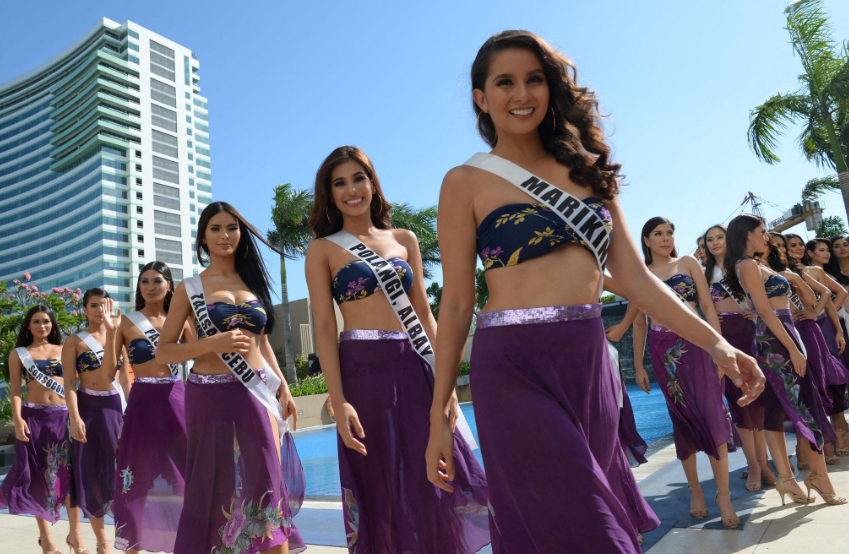
In the Philippines: A global pageant powerhouse, beauty pageants are more than just competitions—they are a national obsession woven into everyday life. When Ahtisa Manalo stepped onto the stage of Miss Universe, millions across the country watched closely, analyzing every detail of her performance. Her journey reflects the immense expectations placed on contestants in a nation where pageantry holds cultural significance equal to sports like boxing and basketball.
Beauty Queens as Symbols of Inspiration
In a developing country driven by aspiration and resilience, beauty queens are often seen as symbols of hope and progress. For many Filipinos, these women represent stories of hard work, discipline, and national pride. Manalo’s top-five finish at Miss Universe is not just a personal achievement but part of a larger narrative of the Philippines consistently producing world-class contestants. The emotional connection between the audience and its representatives fuels an environment where pageantry becomes a shared national experience.
Where It All Begins: Grassroots Pageants
The journey to international stages often begins in small communities. In barangays like Lamot Dos in Laguna province, local contests bring entire neighborhoods together in vibrant celebrations. These grassroots events, filled with cheering crowds and improvised backstage setups, serve as training grounds for future stars. Contestants rehearse speeches, perfect their walk, and embody confidence long before reaching national recognition. Such community-driven participation highlights how deeply embedded pageantry is within Filipino society
A History Rooted in Colonial Influence
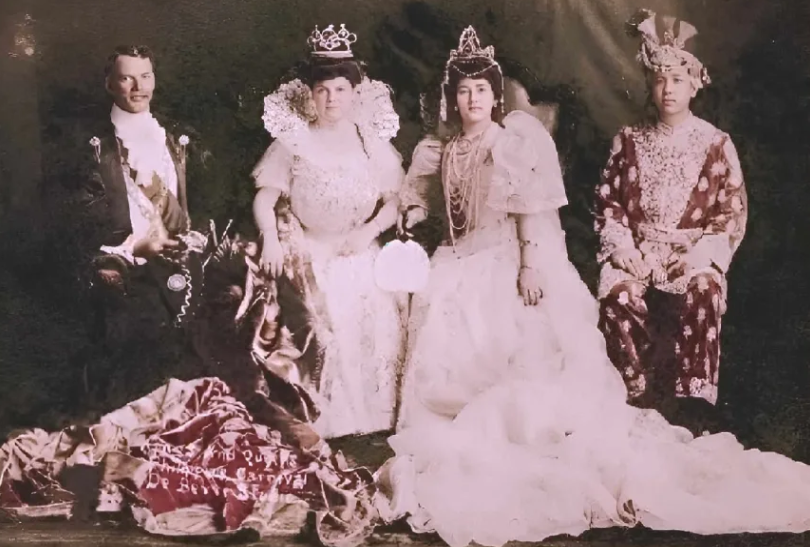
The Philippines’ pageant culture has historical roots dating back to the 16th century during Spanish colonial rule. Religious festivals and fiestas introduced elaborate celebrations that later evolved into structured beauty contests. By 1908, under American influence, the Manila Carnival formalized the concept of pageantry, blending entertainment with political undertones. Early competitions not only showcased beauty but also became unexpected platforms for expressing national identity and resistance during colonial times.
A Thriving Pageant Industry
Today, the Philippines boasts a highly developed pageant ecosystem. From professional coaches and designers to social media strategists, an entire industry supports aspiring beauty queens. Influential figures like Jonas Gaffud, often called the “Queenmaker,” play a crucial role in shaping contestants into global competitors. This structured training system ensures that Filipino representatives consistently perform at the highest level on international stages.
Evolving Beyond Tradition
Modern pageantry in the Philippines is also becoming more inclusive and diverse. Competitions now extend beyond traditional formats, welcoming participants from different backgrounds, including married women and members of the LGBTQ+ community. Events like Mrs. Universe reflect a shift toward broader representation, aligning pageantry with changing social values while maintaining its cultural relevance.
Pride, Pressure, and Passion
For contestants, representing the Philippines comes with both immense pride and intense pressure. Carrying the legacy of past winners, each participant strives to uphold the country’s reputation on the global stage. Yet, this pressure is often seen as a source of motivation, fueled by unwavering public support. It is this unique combination of passion, community backing, and cultural significance that continues to position the Philippines as a dominant force in the world of beauty pageants
Final Word
The rise of the Philippines as a global pageant powerhouse is not accidental—it is the result of history, culture, community participation, and a deeply rooted belief in storytelling through beauty. From small village stages to the العالمي spotlight, the journey of Filipino beauty queens reflects a nation that celebrates ambition, resilience, and identity in its most glamorous form.
Image Credit: All images belong to their respective owners and are used solely for reference and informational purposes.