


The Mac mini is emerging as the go-to device for running AI agents like OpenClaw. Here’s how this compact machine is shaping the future of personal AI infrastructure.
The Story Behind the Surge
On the surface, nothing about the Mac mini screams revolution. It’s small, silent, and easy to overlook. Yet across homes, offices, and developer communities, it’s quietly becoming one of the most talked-about machines in the AI space. The reason isn’t just hardware—it’s timing.
As AI tools like OpenClaw evolve from simple assistants into autonomous agents, the way people interact with computers is changing. These systems don’t need constant supervision. They don’t need screens or keyboards. They just need a reliable machine that can run continuously in the background—and that’s exactly where the Mac mini fits in.
Privacy Is the New Priority
One of the biggest shifts driving this trend is the growing concern around data privacy. Running AI models locally on a Mac mini allows users to keep their information entirely on-device. There’s no need to send personal data to external servers. No dependency on cloud platforms. Just a controlled environment where users decide what the AI can access.
For professionals handling sensitive information—or even individuals managing personal tasks—this level of control is becoming essential rather than optional. Unlike traditional computers designed for active use, the Mac mini is thriving in a passive role.
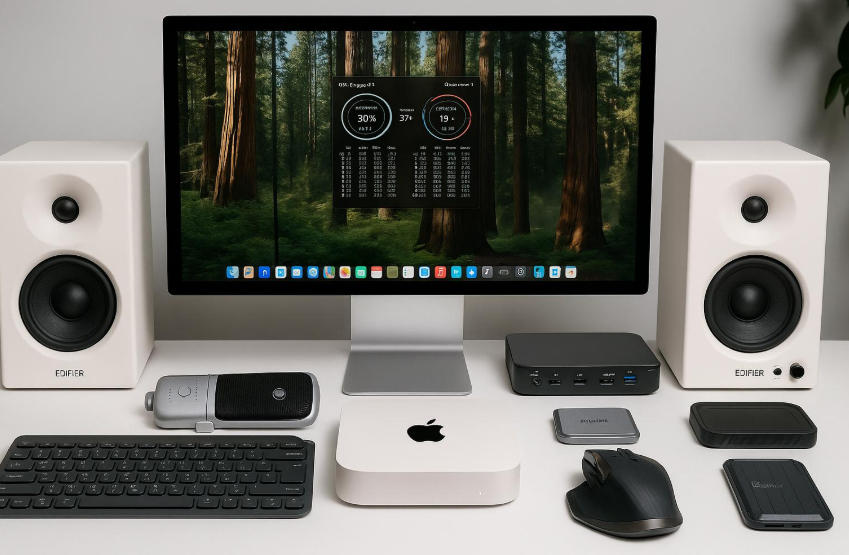
It doesn’t sit at the center of attention. Instead, it works in the background—running AI agents that handle emails, research, scheduling, and more. Users don’t even need to interact with it directly. Many connect their systems to apps like WhatsApp or Telegram, turning their phones into control panels for their personal AI. The result is a seamless workflow: tasks are assigned remotely, executed automatically, and delivered without interruption.
Affordable Entry Into AI
Another factor behind the Mac mini’s popularity is its pricing. Starting at around $599, it offers a relatively low-cost way to enter the world of AI computing—especially at a time when memory and hardware costs are rising. While high-performance systems like the Nvidia DGX Spark target enterprise users, the Mac mini opens the door for individuals, startups, and independent developers. It’s not about having the most powerful machine—it’s about having a practical one.
From Single Device to AI Ecosystem
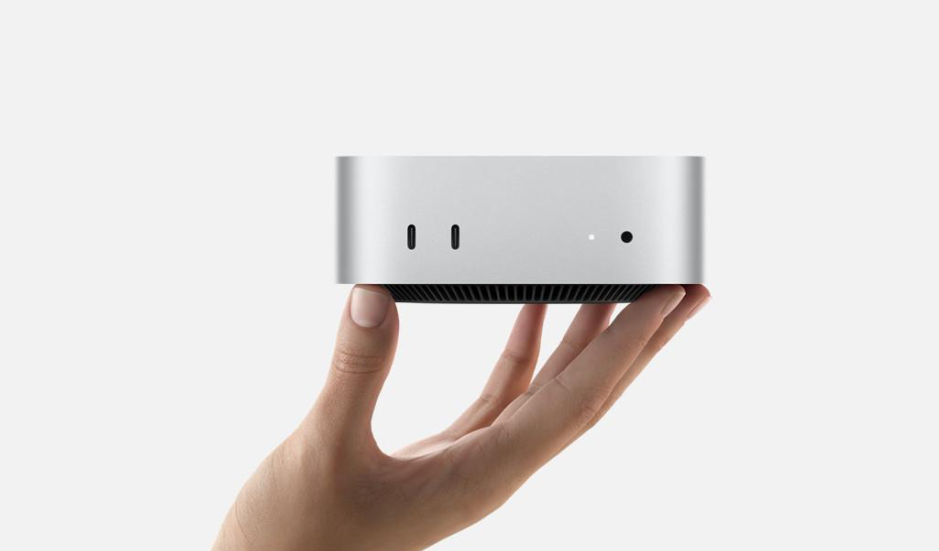
What begins as a single setup often grows into something larger. Many users now run multiple Mac minis—each assigned a specific role. One manages personal workflows, another handles development, while a third acts as a central coordinator. This modular approach is turning homes into mini AI labs, where systems communicate, automate, and evolve together.
A Symbol of the New Tech Culture
As adoption grows, the Mac mini is becoming more than just a tool—it’s a cultural marker. From developer meetups to global conferences, it represents a new kind of user: one who builds, experiments, and operates independently of large platforms. Even industry leaders like Nvidia are recognizing this shift, developing products aimed at individuals who want to run AI systems locally.
The Bigger Shift
The rise of the Mac mini signals something deeper than a product trend. It reflects a transition toward personal AI infrastructure—where users own their systems, control their data, and design their workflows. In this new landscape, the most powerful computer isn’t necessarily the biggest or the fastest. It’s the one that works quietly, consistently, and entirely on your terms. And right now, that machine is the Mac mini.
Image Credit: All images belong to their respective owners and are used solely for reference and informational purposes.