

Discover how Loud Luxury is reshaping the fashion industry with bold logos, vibrant designs, and statement-making styles. Explore why this trend is dominating modern fashion culture.
A New Era of Fashion Expression
Fashion trends constantly evolve, reflecting changes in culture, consumer behavior, and personal identity. In recent years, the industry has witnessed the rise of a powerful trend known as “Loud Luxury.” Unlike the quiet luxury movement, which focuses on understated elegance and minimal branding, Loud Luxury embraces visibility, bold logos, vibrant colors, and statement-making designs. It is a fashion movement that celebrates confidence, individuality, and the desire to stand out.
What Is Loud Luxury?
Loud Luxury refers to high-end fashion that is instantly recognizable. It often features oversized logos, eye-catching prints, premium materials, and dramatic silhouettes. Luxury brands are increasingly incorporating bold branding into their collections to attract consumers who want their style choices to be seen and appreciated.
This trend appeals particularly to younger generations who view fashion as a form of self-expression. Social media platforms have further amplified the popularity of Loud Luxury, where visually striking outfits are more likely to capture attention and engagement.
Why Consumers Are Embracing the Trend
Today’s consumers are not just purchasing clothing; they are investing in identity and status. Loud Luxury offers an opportunity to communicate success, creativity, and confidence through fashion. In an era dominated by digital culture, bold fashion statements help individuals create memorable personal brands.
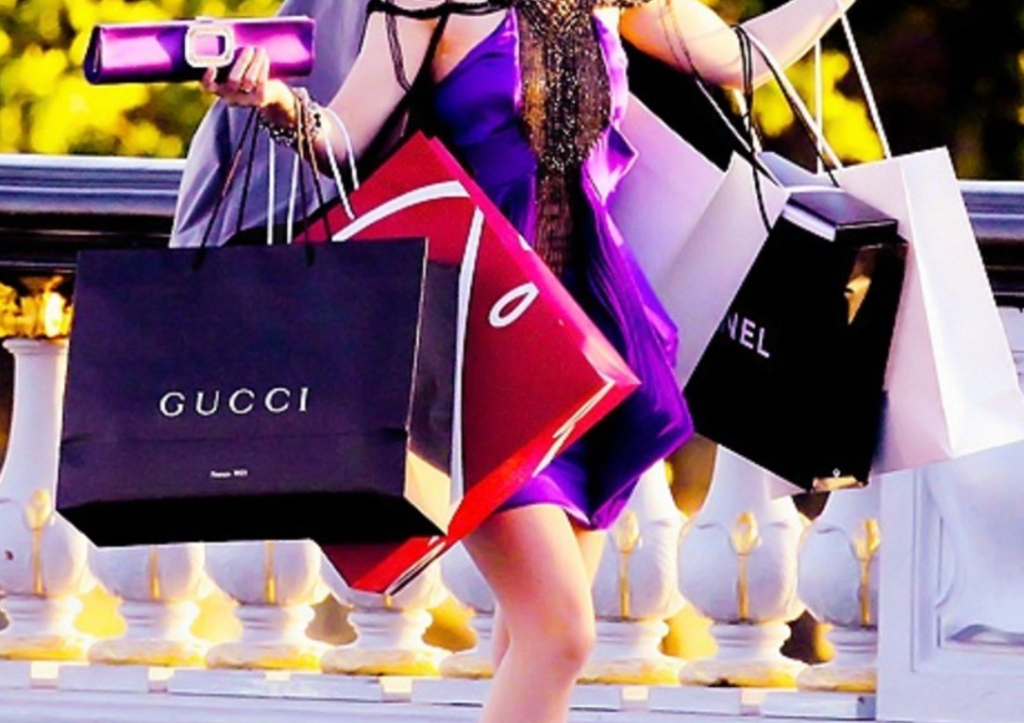
The rise of influencer marketing has also contributed significantly to this movement. Celebrities, fashion influencers, and content creators frequently showcase logo-heavy luxury pieces, inspiring followers to adopt similar styles. As a result, visible luxury has become a symbol of aspiration and social recognition.
The Influence of Social Media
Platforms such as Instagram, TikTok, and Pinterest have transformed how fashion trends emerge and spread. Loud Luxury thrives in these visual environments because bold designs and recognizable branding perform exceptionally well in photos and videos.
Luxury fashion houses understand this shift and are creating collections designed to generate online buzz. Statement accessories, branded handbags, and vibrant outfits often become viral fashion moments, further driving demand among consumers worldwide.
Luxury Brands Leading the Movement
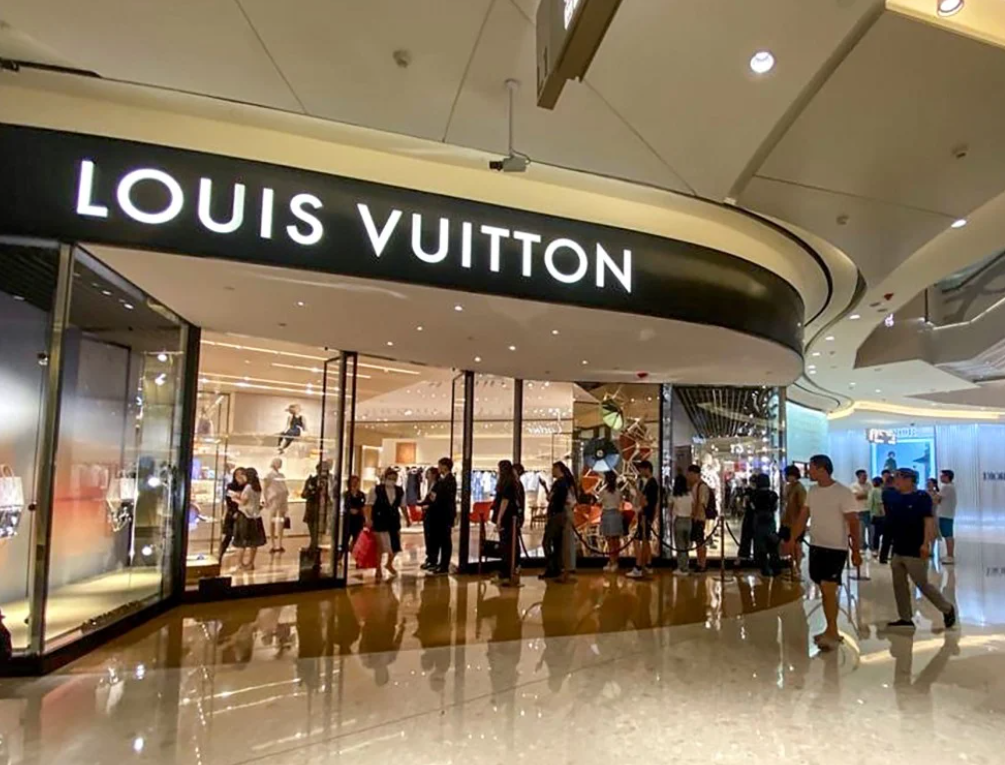
Several luxury labels have embraced Loud Luxury by introducing collections that celebrate bold aesthetics. Large logos, monogram patterns, colorful graphics, and distinctive accessories have become central elements in many runway presentations.
These brands recognize that modern consumers seek products that combine exclusivity with visibility. By creating instantly recognizable designs, they strengthen brand identity while appealing to customers who enjoy making fashion statements.
The Future of Loud Luxury
While fashion trends are cyclical, Loud Luxury shows no signs of disappearing anytime soon. As younger consumers continue to prioritize self-expression and digital visibility, demand for bold luxury pieces is expected to remain strong.
However, the future may involve a balance between Loud Luxury and Quiet Luxury. Consumers are increasingly mixing statement pieces with timeless wardrobe essentials, creating a more personalized approach to style. This blend allows individuals to enjoy the best of both worlds—bold expression and sophisticated elegance.
Conclusion
The rise of Loud Luxury represents more than just a fashion trend; it reflects changing attitudes toward identity, status, and self-expression. In a world where visibility matters, bold luxury fashion provides consumers with a powerful way to showcase their personality and confidence. As the fashion industry continues to evolve, Loud Luxury will remain an influential force shaping the future of style.
Image Credit: All images belong to their respective owners and are used solely for reference and informational purposes.