


Discover expert-recommended diets for heart health, including Mediterranean, DASH, and plant-based plans. Learn how to reduce heart disease risk naturally.
Understanding Heart Health and Why Diet Matters
Heart health is one of the most critical aspects of overall well-being, yet it is often overlooked until problems arise. Conditions such as Cardiovascular Disease, hypertension, and high cholesterol are among the leading causes of death globally, and diet plays a central role in both their prevention and management. What we eat directly affects blood pressure, cholesterol levels, inflammation, and body weight—all of which are key contributors to heart health. Experts across the fields of nutrition and cardiology consistently emphasize that dietary changes can significantly reduce the risk of heart disease, sometimes even more effectively than medication alone in early stages.
A heart-healthy diet is not about strict restrictions or temporary fixes; rather, it is a sustainable way of eating that prioritizes nutrient-rich foods, balances macronutrients, and limits harmful components such as trans fats, excessive sodium, and added sugars. The goal is to nourish the body while protecting the heart over the long term.
The Mediterranean Diet: Gold Standard for Heart Protection
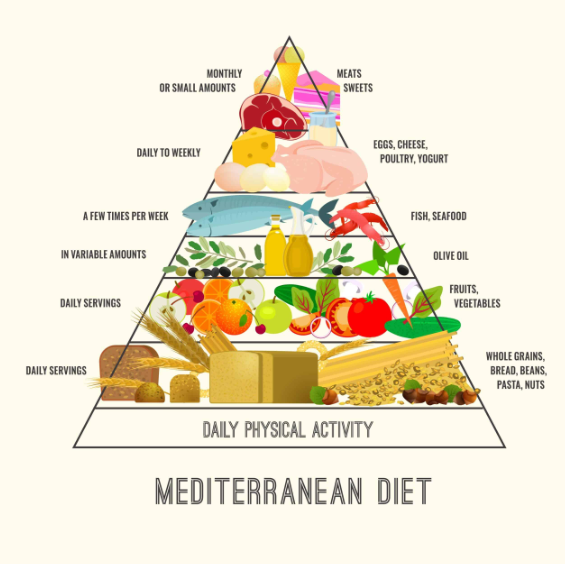
Among all dietary patterns, the Mediterranean Diet is widely regarded as the gold standard for cardiovascular health. Inspired by the traditional eating habits of countries bordering the Mediterranean Sea, this diet emphasizes whole foods, healthy fats, and balanced nutrition.
At its core, the Mediterranean diet focuses on fruits, vegetables, whole grains, legumes, nuts, seeds, and olive oil as the primary fat source. Fish and seafood are consumed regularly, while red meat is limited. Dairy is included in moderation, and meals are often accompanied by herbs and spices instead of salt. One of the key reasons this diet is so effective is its high content of monounsaturated fats, particularly from olive oil, which help reduce bad cholesterol (LDL) while increasing good cholesterol (HDL). Additionally, the abundance of antioxidants from fruits and vegetables helps combat inflammation, a major contributor to heart disease.
Studies have shown that individuals following the Mediterranean diet have a significantly lower risk of heart attacks, strokes, and overall mortality. Beyond physical health, this diet also promotes mindful eating and social connection, which further supports long-term well-being.
The DASH Diet: Designed to Lower Blood Pressure
Another highly recommended approach is the DASH Diet, specifically developed to combat high blood pressure. This diet is particularly beneficial for individuals dealing with hypertension or those at risk of developing it.
The DASH diet emphasizes foods rich in potassium, calcium, and magnesium—nutrients that help regulate blood pressure. It includes plenty of fruits, vegetables, whole grains, lean proteins, and low-fat dairy products, while significantly reducing sodium intake.
Unlike many restrictive diets, DASH is flexible and practical, making it easier for people to adopt in their daily lives. It encourages gradual changes, such as replacing processed foods with fresh alternatives and choosing healthier cooking methods.
Clinical research has consistently demonstrated that the DASH diet can lower blood pressure within weeks, making it one of the most effective dietary interventions for cardiovascular health.
Plant-Based Diets: Harnessing the Power of Plants
Plant-based diets, including vegetarian and vegan eating patterns, are gaining popularity for their powerful health benefits. These diets focus primarily on plant-derived foods such as fruits, vegetables, legumes, nuts, seeds, and whole grains, while minimizing or eliminating animal products.
One of the major advantages of a plant-based diet is its ability to reduce cholesterol levels and improve overall heart function. Since these diets are naturally low in saturated fats and high in fiber, they help maintain healthy blood vessels and prevent plaque buildup.
Research indicates that individuals who follow plant-based diets have a lower risk of developing heart disease, obesity, and type 2 diabetes. However, it is important to ensure nutritional balance by including adequate protein sources and essential nutrients such as vitamin B12 and iron.
The Role of Healthy Fats in Heart Health
Contrary to outdated beliefs, not all fats are harmful. In fact, healthy fats are essential for heart health. Unsaturated fats, found in foods like olive oil, avocados, nuts, and fatty fish, play a crucial role in reducing inflammation and improving cholesterol levels.
Omega-3 fatty acids, commonly found in fish such as salmon and mackerel, are particularly beneficial. They help lower triglycerides, reduce blood clotting, and decrease the risk of arrhythmias. Including these fats in the diet can significantly enhance cardiovascular health.
On the other hand, trans fats and excessive saturated fats should be avoided, as they contribute to plaque buildup in arteries and increase the risk of heart disease.
The Importance of Fiber-Rich Foods
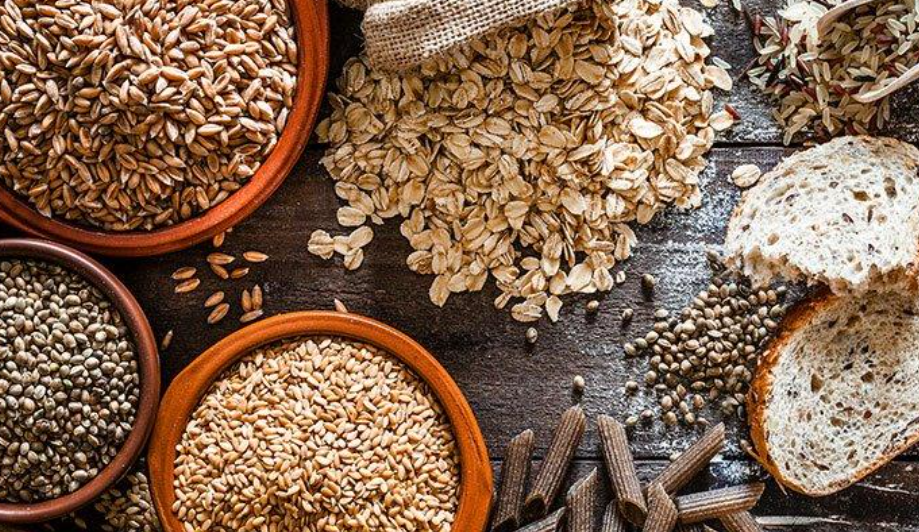
Dietary fiber is another essential component of a heart-healthy diet. Found in whole grains, fruits, vegetables, and legumes, fiber helps lower cholesterol levels and improve digestion. Soluble fiber, in particular, binds to cholesterol in the digestive system and removes it from the body. This process reduces the amount of cholesterol circulating in the bloodstream, thereby lowering the risk of heart disease.
Incorporating fiber-rich foods into daily meals not only supports heart health but also promotes weight management and overall wellness.
Reducing Sugar and Processed Foods
Modern diets often include high amounts of added sugars and processed foods, which can negatively impact heart health. Excess sugar consumption is linked to obesity, insulin resistance, and increased triglyceride levels.
Processed foods, on the other hand, are typically high in sodium, unhealthy fats, and artificial additives. These ingredients contribute to high blood pressure and inflammation, both of which are harmful to the heart.
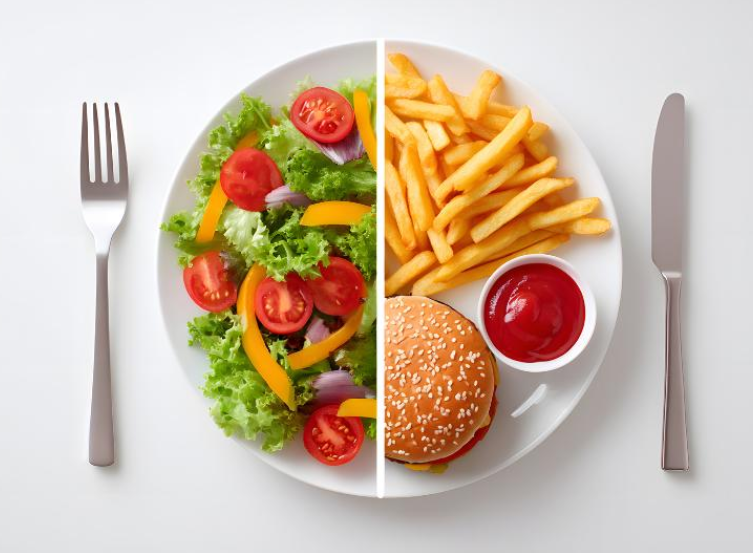
Experts recommend limiting sugary beverages, packaged snacks, and fast food, and instead focusing on whole, minimally processed foods.
Lifestyle and Diet: A Holistic Approach
While diet plays a crucial role, it is only one part of the equation. A holistic approach to heart health includes regular physical activity, stress management, adequate sleep, and avoiding harmful habits such as smoking.
Combining a healthy diet with an active lifestyle can significantly enhance cardiovascular function and reduce the risk of chronic diseases. Simple habits like walking, practicing yoga, or engaging in recreational activities can make a meaningful difference.

Personalizing Your Heart-Healthy Diet
No single diet works for everyone. Factors such as age, medical history, lifestyle, and cultural preferences should be considered when choosing a dietary plan. Consulting with healthcare professionals or nutritionists can help tailor a plan that meets individual needs.
The key is consistency and balance. Small, sustainable changes are more effective than drastic, short-term diets.
Final Thoughts
Heart health is deeply influenced by the choices we make every day, especially when it comes to food. Diets such as the Mediterranean, DASH, and plant-based approaches offer scientifically proven ways to protect the heart and improve overall health.
By focusing on whole foods, healthy fats, and balanced nutrition, individuals can take proactive steps toward a healthier future. In a world where heart disease remains a leading concern, adopting expert-recommended dietary habits is not just beneficial—it is essential.
Image Credit: All images belong to their respective owners and are used solely for reference and informational purposes.