

Beauty Meets AI: L’Oréal and NVIDIA Redefine Skincare Innovation.
The global beauty industry is undergoing a powerful transformation, driven by artificial intelligence (AI). Once limited to product recommendations and virtual try-ons, AI is now deeply embedded in both consumer experience and scientific research. Two major players—Clarins and L’Oréal—are leading this shift with groundbreaking innovations that signal the future of beauty tech. Beauty Meets AI: L’Oréal and NVIDIA Redefine Skincare Innovation.
Clarins has unveiled its latest innovation—an AI-powered Shade Finder that promises unprecedented accuracy in foundation matching. Designed as an in-store experience, the tool uses advanced AI and spectroscopy to analyze skin tone with remarkable precision.
Unlike traditional shade-matching methods that rely on visual judgment or single images, the AI Shade Finder captures a sequence of images under varying light conditions. By analyzing how light reflects off the skin, it accurately determines tone, undertone, and overall color composition.
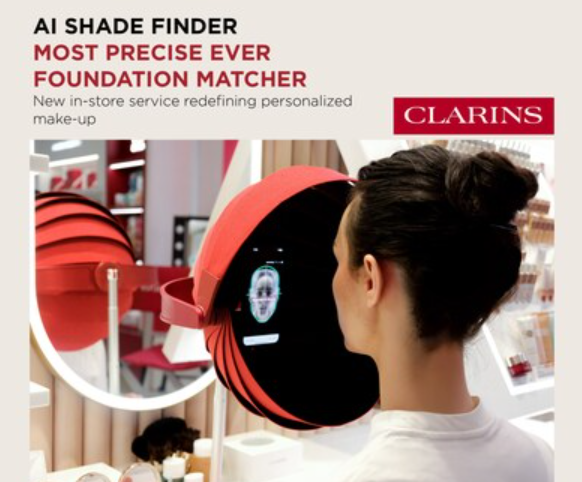
The result is a 96% match rate compared to professional makeup artists, setting a new benchmark in the industry
Key Features:
- Spectroscopy-based analysis for scientific accuracy
- Smartphone-powered scanning in under 60 seconds
- Personalized recommendations beyond foundation (lipstick, blush, full routine)
- Enhanced in-store customer experience
This innovation reflects a broader shift toward hyper-personalization, where beauty solutions are tailored to each individual’s unique skin profile. Early deployments across Europe and other markets have already shown increased customer satisfaction and higher purchase conversions.
While Clarins focuses on customer-facing innovation, L’Oréal is transforming the science behind beauty products through its expanded partnership with NVIDIA.
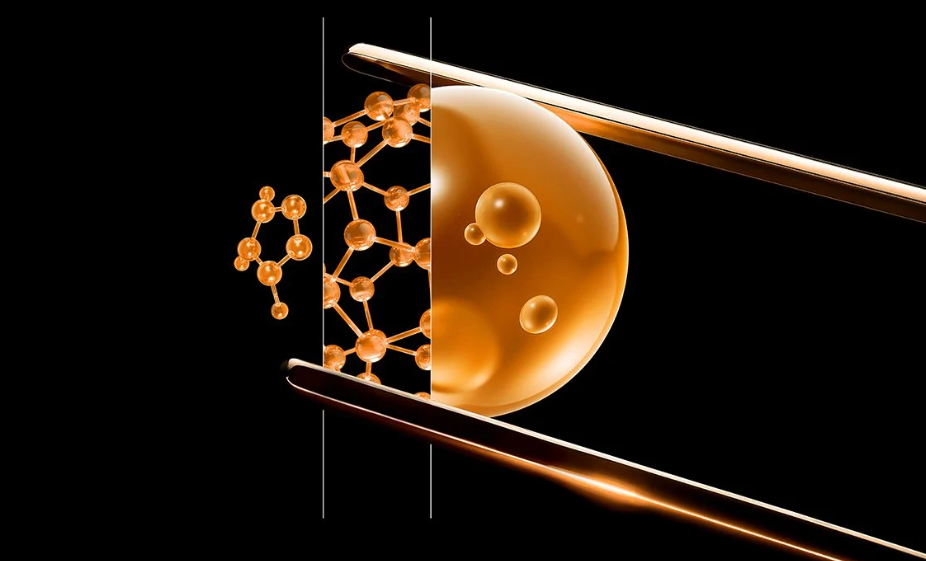
The collaboration integrates NVIDIA’s AI frameworks into L’Oréal’s research ecosystem, enabling predictive formulation science powered by machine learning. This allows scientists to simulate how ingredients behave at the molecular level—before physical testing even begins.
Breakthrough Capabilities:
- Atomic-level simulation of ingredients
- Testing thousands of formulation variables simultaneously
- Reducing product development time by up to 100x
- Faster innovation in skin protection and anti-aging solutions
By shifting experimentation from physical labs to digital environments, L’Oréal is accelerating the journey from concept to consumer-ready product. This approach not only reduces costs but also enables more sustainable and efficient innovation pipelines.
The Bigger Picture: AI as the New Beauty Standard
The advancements from Clarins and L’Oréal highlight a critical trend: AI is no longer optional in beauty—it is becoming the backbone of the industry.
Key Industry Shifts:
- Hyper-Personalization
Consumers now expect products tailored to their exact skin type, tone, and preferences. - Data-Driven Product Development
AI enables brands to predict outcomes rather than rely solely on trial-and-error. - Faster Time-to-Market
Virtual simulations dramatically shorten development cycles. - Enhanced Customer Experience
From in-store consultations to online recommendations, AI is redefining engagement.
Conclusion: The Future of Beauty Is Intelligent
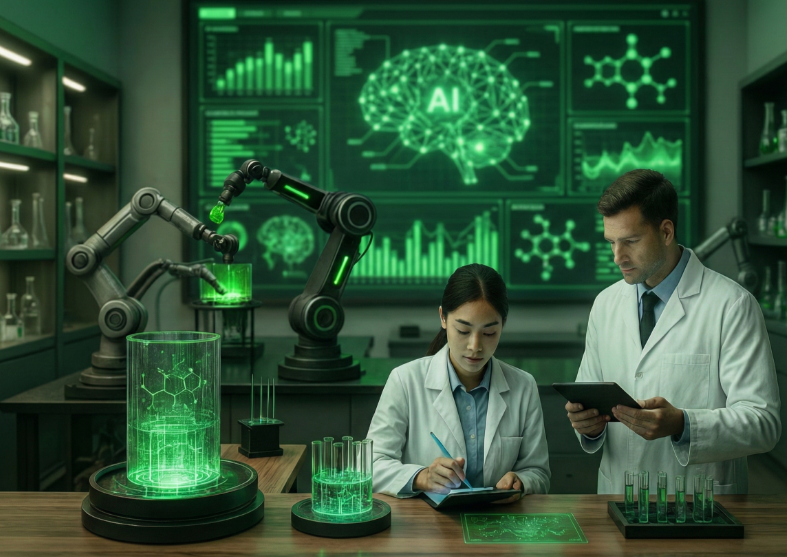
As AI continues to evolve, the beauty industry is entering a new era where science, data, and personalization converge. Clarins’ AI Shade Finder demonstrates how technology can enhance the consumer journey, while L’Oréal’s partnership with NVIDIA shows how AI can revolutionize product creation itself.
Together, these innovations mark a turning point—where beauty is no longer just about aesthetics, but about precision, intelligence, and individualized experience.
For brands, the message is clear: adapt to AI-driven transformation or risk falling behind. For consumers, the future promises smarter, more effective, and deeply personalized beauty solutions.
Image Credit: All images belong to their respective owners and are used solely for reference and informational purposes.