


In a dramatic turn of events, the United States confirmed on Sunday that it successfully US Rescues Downed Airman stranded behind enemy lines in Iran. The airman had been missing since a U.S. fighter jet was shot down, triggering a tense and dangerous search-and-rescue operation deep inside Iranian territory.
The mission unfolded against the backdrop of an intensifying conflict that is now spreading across the Gulf region and impacting global stability.
Jet Downed, Crew Ejected
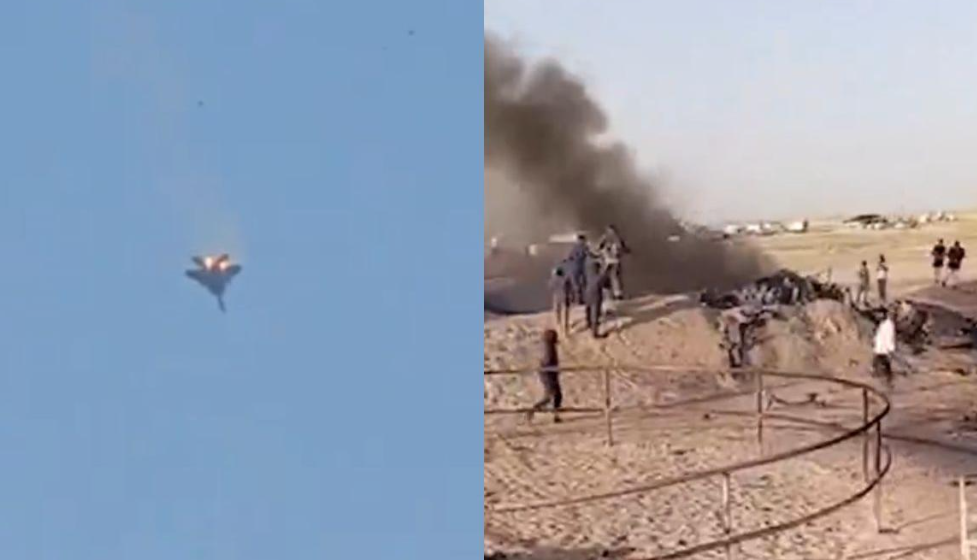
The crisis began Friday when a U.S. F-15E Strike Eagle went down over Iran during ongoing military operations. Both crew members ejected safely, but only one was immediately recovered.
The second airman remained stranded in mountainous terrain for nearly 48 hours—injured, exposed, and under the threat of capture. Iranian authorities reportedly even offered a reward for information leading to the capture of the “enemy pilot.”
Race Against Time
U.S. forces launched a large-scale rescue effort involving aircraft, drones, and special operations units.
Former U.S. President Donald Trump described the situation as critical, stating that the airman was “being hunted down” as enemy forces closed in.
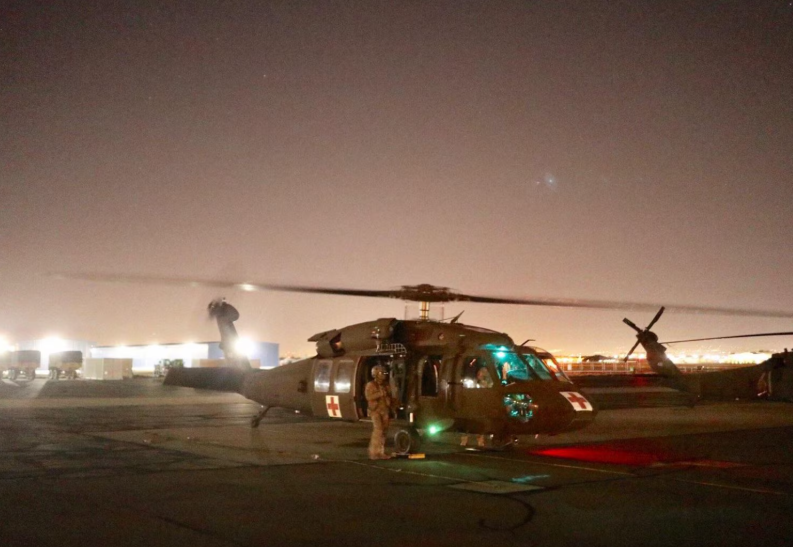
Despite the risks, the operation succeeded, and the airman was extracted safely. Officials confirmed he is injured but in stable condition. The second crew member had already been rescued earlier.
Conflicting Narratives Emerge
Iranian state media claimed that its forces shot down additional U.S. aircraft—including a transport plane and helicopters—during the rescue mission.
However, intelligence sources indicated that two U.S. transport aircraft were deliberately destroyed due to technical failures, forcing the deployment of backup aircraft to complete the operation.
The conflicting accounts highlight the intense information battle accompanying the military conflict.
Conflict Spreads Across the Gulf
The crisis is no longer confined to Iran. Regional tensions escalated further as Iranian drone strikes targeted infrastructure in neighboring countries.
💥 Impact in Kuwait:
- Power plants damaged
- Petrochemical facility hit
- Water desalination station shut down
- No casualties reported
These attacks signal a widening conflict with potential long-term consequences for regional stability.
Strait of Hormuz Under Pressure
At the center of global concern is the Strait of Hormuz, a vital route for global oil supplies.
Iran’s continued control over the waterway has disrupted shipping and driven up fuel prices. In response, Trump issued a strong warning, threatening severe consequences if the strait is not reopened.
The situation has already shaken global markets and raised fears of further escalation.
A Conflict with Global Consequences
Since the conflict began in late February, it has:
- Claimed thousands of lives
- Disrupted international trade routes
- Triggered economic instability worldwide
Despite earlier claims that Iran’s capabilities had been weakened, recent incidents—including the downing of U.S. aircraft—suggest the conflict remains far from over.
The successful rescue of the downed airman stands as a powerful example of military precision and determination. Yet, it also underscores the growing risks of a conflict that is rapidly expanding beyond borders.
As tensions rise and critical infrastructure comes under attack, the situation remains volatile—leaving the world watching closely for what comes next.